← Books
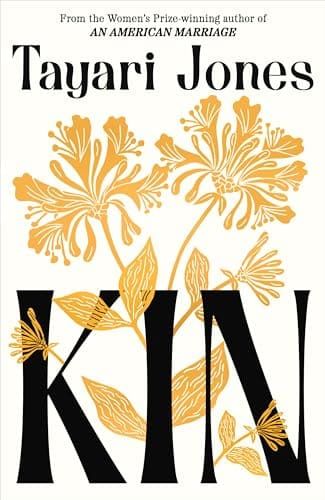
Cover of Kin by Tayari Jones

Historical Fiction · Free kit

Kin

Tayari Jones

In 1950s Honeysuckle, Louisiana, Annie and Vernice — Niecy — grow up as motherless cradle friends and each other's first family. Niecy is raised toward college and a respectable marriage; Annie sets out to find the mother said to be in Memphis. Tayari Jones's Kirkus Prize winner is a Southern novel about friendship, class, loyalty, and who counts as kin when blood does not stay.

“Nobody would for one second think to call me shy if I stood next to Niecy — who has been a young lady since the day she was born.”

Complete free book club kit

BookClubee may earn a commission from Bookshop.org purchases, which supports independent bookshops.

Plan your meeting

Reading schedule · Book vote

Kin Characters

Spoiler-aware but intrigue-first.

Vernice "Niecy"

The cradle friend who treats respectability like a life raft.

The Vibe
Niecy has been a young lady since the day she was born, which is both her armor and her cage. She sews her own college dresses, aims for Spelman, and learns the manners of Atlanta's Black elite as if grades were a moral category. She is loyal in the bone — and she is also a person who will push a secret to the far side of a waterfall if it threatens the name she is trying to earn.
Their Contradiction
On the surface: Cautious, polished, the girl Honeysuckle can be proud of. Underneath: She has been carrying an underground grief since infancy and building a life designed so nobody has to look at it.
Why Readers Love / Hate Them
You may root for every bus she boards and still want to shake her when the cost of looking respectable lands on someone she loves.
Most Revealing Moment
Watch what she does when Annie needs help that would stain the McHenry household — and which name she still answers to when it matters.
Book Club Hot Take
Is Niecy's climb into Atlanta society self-rescue — or the moment she agrees to become someone Annie can no longer reach?

Annie

The cradle friend who will not stop looking for a living mother.

The Vibe
Annie is the talker, the leaver, the one who treats a Memphis address like a compass. She is funny and hungry and disastrously hopeful: if Hattie Lee is alive, then the hole in the middle of Annie might still be fillable. People call that stubbornness. She calls it not accepting a story written by a town that already decided what kind of girl she would be.
Their Contradiction
On the surface: Reckless, magnetic, always mid-escape. Underneath: She is trying to invent a mother so she will not have to keep being the leftover child.
Why Readers Love / Hate Them
Readers tend to love her velocity and then argue about whether the search is brave or a way of refusing to be anyone's future but Hattie Lee's daughter.
Most Revealing Moment
Watch who she lists as next of kin when a form finally asks her to name her family out loud.
Book Club Hot Take
Does Annie ruin her own chances — or does the world keep charging her extra for wanting a mother who left?

Aunt Irene

The aunt who came home once and got handed a baby.

The Vibe
Irene had already tasted a life beyond Honeysuckle and then got pulled back by illness, death, and a niece nobody else was going to raise. She is practical, sometimes unwilling, and still the person who saves for college as if education were a ticket she can buy with years of work. She did not audition for motherhood. She stays anyway.
Their Contradiction
On the surface: The reluctant stand-in parent. Underneath: Her whole adult life becomes a bet that Niecy will get out in the way Irene almost did.
Why Readers Love / Hate Them
Easy to underrate until you notice that Vernice's future is built on Irene's delayed departure.
Most Revealing Moment
Watch how she treats college not as a dreamy extra but as the one respectable door she can still open.
Book Club Hot Take
Is Irene a hero of chosen family — or proof that kin is often just whoever did not get to leave?

Hattie Lee

The mother who left a living daughter and became a rumor in Memphis.

The Vibe
Hattie Lee unhooks an infant, hands her to Granny, and walks toward a city that will not make her kinder. For most of the book she is not a person so much as a destination: an address, a lie, a girl at a door who got the childhood Annie wanted. When she finally appears, she does not perform reunion. She confirms the blood and declines the repair.
Their Contradiction
On the surface: The villain of abandonment. Underneath: A woman who may know exactly what she cannot be, and who still lets Annie pay for that knowledge.
Why Readers Love / Hate Them
You may pity her circumstances and still not forgive the newspaper on the window.
Most Revealing Moment
Watch the South Lauderdale door, and later the three quarters she leaves when words run out.
Book Club Hot Take
Is Hattie Lee's refusal to open the door mercy — or the last, smallest cruelty?

Granny

The grandmother who raises Annie on rules instead of answers.

The Vibe
Granny keeps the house, the child, and the official story: Hattie Lee is in Memphis, and wanting more than that is a kind of misbehavior. She is not warm in the way Annie needs, which does not mean she is not working. Strictness is her version of keeping a leftover girl from becoming her mother in public.
Their Contradiction
On the surface: Harsh, local, done explaining. Underneath: She is the only adult who actually stays in Annie's childhood, and staying is not the same as softening.
Why Readers Love / Hate Them
Readers often side with Annie against her — then wonder who else was supposed to do this job.
Most Revealing Moment
Watch what Granny's silence about Hattie Lee teaches Annie: that love might be endurance, not explanation.
Book Club Hot Take
Does Granny fail Annie by not being Hattie Lee — or succeed by keeping her alive long enough to leave?

Mrs. McHenry

The Atlanta mother-in-law who can mint a daughter and revoke a favor.

The Vibe
Mrs. McHenry has the eye of someone who has already survived a class climb and can spot a girl who will photograph well in it. She pinches a stocking, claims Vernice, and folds her into a civil-rights-lawyer household with chapel manners and a yellowed lace dress. She can be lavishly maternal. She can also decide that Annie is a stain the family has earned the right not to carry.
Their Contradiction
On the surface: Patron, mother-substitute, ticket out. Underneath: Her love is a recruitment process with a reputation clause.
Why Readers Love / Hate Them
You may understand every inch of her fear and still find her the book's coldest closed door.
Most Revealing Moment
Watch what happens when Vernice asks for a doctor's name and the answer is the family name instead.
Book Club Hot Take
Is Mrs. McHenry protecting a hard-won Black middle-class foothold — or proving that respectability will always pick the house over the girl from Honeysuckle?

Franklin McHenry

The respectable husband who walks with a cane and offers a clean last name.

The Vibe
Franklin is dignity as a profession: polio survivor, lawyer, the son a certain Atlanta household has been polishing. He proposes with a ring that already has a war story attached, which is very McHenry — even romance comes with provenance. He is not a cartoon of privilege. He is what Niecy thinks safety looks like when you have spent a childhood next to murder and leaving.
Their Contradiction
On the surface: The prize at the end of the respectable path. Underneath: Marrying him requires Vernice to become a person who can live with what she does not say.
Why Readers Love / Hate Them
Easy to like, easier to argue about: is he a partner, or a destination with a porch?
Most Revealing Moment
Watch the wedding — and later, what honesty would cost the life that wedding purchased.
Book Club Hot Take
Does Franklin deserve the full truth of who Vernice was before Mrs. McHenry found her — or did the marriage contract quietly exclude it?

Lulabelle

The Mississippi mother-figure who offers braids, scripture, and a last kindness.

The Vibe
Lulabelle is the adult who treats Annie like a person in the middle of a journey, not a cautionary tale. She braids hair, reads Genesis, and keeps a place that is both refuge and a reminder of how few doors are open to girls on the road. When the story needs a grown woman who will stay in the room, it is often Lulabelle, not Hattie Lee.
Their Contradiction
On the surface: A stop along a dangerous route. Underneath: She gives Annie a version of mothering that does not require blood or respectability — only showing up.
Why Readers Love / Hate Them
Readers tend to exhale around her, then notice how little the official families resemble her.
Most Revealing Moment
Watch the winter roses and the form: this is where Annie finally gets to name her kin.
Book Club Hot Take
Is Lulabelle the novel's real argument about family — that kin is whoever will still help you prune a garden on the worst morning of your life?

Character Dynamics Map

The engine is Annie and Niecy: two motherless girls who invent a family in a shared cradle, then spend the rest of the book testing whether that invention can survive class, geography, and a respectable last name. Irene and Granny do the unglamorous staying; Hattie Lee does the leaving that Annie cannot stop metabolizing. Atlanta adds a second mother-daughter plot that is almost a warning: Mrs. McHenry can choose Vernice more efficiently than Hattie Lee ever chose Annie, and that choosing comes with a bill. Franklin is the clean door Niecy walks through; Lulabelle is the messy door Annie can actually knock on. Letters try to hold the waterfall between them. The book-club question underneath all of it: when the form asks for next of kin, who have you been practicing to write — and who have you been practicing to erase?

Superlatives

Award categories built to spark arguments (in a good way).

  • Most Likely to Treat a Last Name Like a Life Jacket

    Winner: Vernice

    She wants a family name not stained by murder, says yes at the ghost stairs, and becomes Mrs. Franklin McHenry with none of the names she was born with.

    Close second: Mrs. McHenry

    Do you agree, or would you have picked Mrs. McHenry, who polices that name even harder?

  • Most Likely to Turn a City Into a Missing-Person Poster

    Winner: Annie

    Memphis is not a place for her so much as a hypothesis: if she can stand in the right doorway, Hattie Lee might still become a mother.

    Close second: Hattie Lee

    Do you agree, or is Hattie Lee the one who turned leaving into a legend the whole town has to live inside?

  • Most Likely to Raise You Without Ever Auditioning for the Job

    Winner: Aunt Irene

    She comes home to nurse a dying mother and inherits a baby, then spends years buying Vernice a door out of Honeysuckle.

    Close second: Granny

    Do you agree, or does Granny's daily staying outrank Irene's college plan?

  • Most Likely to Smooth Newspaper Over a Window and Call It a Boundary

    Winner: Hattie Lee

    She watches Annie Kay's sister at the door, then puts the paper back — a closed door with a view.

    Close second: Mrs. McHenry

    Do you agree, or is refusing Annie medical help a colder closing?

  • Most Likely to Hear "Country Mouse" and Still Sit Up Straighter

    Winner: Vernice

    A wealthy Spelman roommate can nickname her, and she still learns the chapel line, the stockings, the Atlanta yes.

    Close second: Annie

    Do you agree, or would you pick Annie, who would rather leave than perform for a room?

  • Most Likely to Confuse a Marriage Proposal with an Escape Route

    Winner: Vernice

    Franklin's ring comes with provenance, a cane, and a household that can make Honeysuckle look like a previous century.

    Close second: Annie

    Do you agree, or does Annie's yes to Bobo belong in the same category of hoping a person can be a home?

  • Most Likely to Leave Three Quarters and Call That the Whole Speech

    Winner: Hattie Lee

    When she finally confirms she is Annie's mother, the tenderness lasts about as long as pocket change on a counter.

    Close second: Annie

    Do you agree, or is Annie's graduation-eve note the more devastating small goodbye?

  • Most Likely to Save Your Future and Resent the Calendar

    Winner: Aunt Irene

    College money is love you can count, offered by someone who already tried to get out once.

    Close second: Lulabelle

    Do you agree, or is Lulabelle's last-morning care the clearer save?

  • Most Likely to Make Respectability Sound Like a Moral Virtue

    Winner: Mrs. McHenry

    She can mint a daughter-in-law in a chapel line and later decide that helping Annie would cost more than the family is willing to spend.

    Close second: Vernice

    Do you agree, or has Niecy internalized that sermon so completely she delivers it to herself?

  • Most Likely to Be Listed on a Form by a Name Nobody's Mother Gave Them

    Winner: Vernice

    Annie will not write Hattie Lee. She writes Niecy — the cradle name that never belonged to the McHenrys or the Davises.

    Close second: Lulabelle

    Do you agree, or is Lulabelle the one who makes that naming possible by handing her the form?

  • Most Likely to Warn You About a Waterfall Years Before You Drown

    Winner: Mrs. Ola Mae

    On the ride to Spelman she tells Vernice the grief is underground and will have to break through — then the novel waits until the last pages to prove her right.

    Close second: Annie

    Do you agree, or do Annie's letters name the waterfall first?

  • Most Likely to Treat a Stolen Ride North as a Love Story

    Winner: Annie

    Graduation eve, a Packard, Babydoll already in the front seat, Bobo in the back — she wedges in as if the missing mother were a destination you can drive to.

    Close second: Bobo

    Do you agree, or is Bobo the one who mistakes the journey for a life?

  • Most Likely to Weaponize a Chapel Line

    Winner: Mrs. McHenry

    Pinching stockings is not small talk; it is a tryout for a daughter-in-law who can pass.

    Close second: Vernice

    Do you agree, or is Niecy already auditioning before anyone pinches anything?

  • Most Likely to Be the Mother the Plot Keeps Trying to Hire

    Winner: Lulabelle

    Braids, Genesis, winter roses, a form: she keeps doing the job Hattie Lee walked out of without ever claiming the title.

    Close second: Irene

    Do you agree, or does Irene's years in Honeysuckle outrank a Mississippi refuge?

  • Most Likely to Make You Argue About Whether Leaving Is Loyalty

    Winner: Annie

    She leaves Niecy a made bed instead of a conversation, then spends years writing across a waterfall as if correspondence could replace a goodbye.

    Close second: Hattie Lee

    Do you agree, or is Hattie Lee still the original lesson in leaving-as-love?