
Historical Fiction · Free kit
The Women
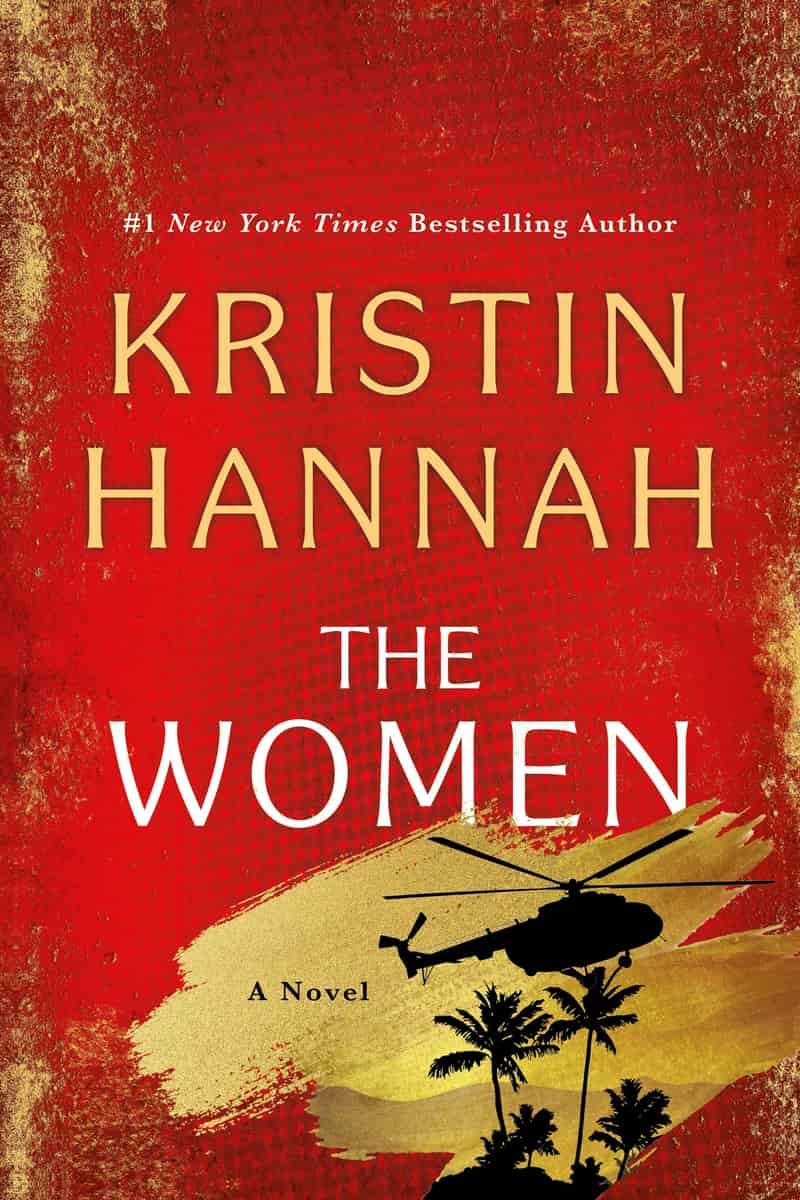
In 1965, Frances 'Frankie' McGrath is a twenty-year-old nursing student from wealthy Coronado, California, raised to be a good girl in a world that tells her women belong at home. When her brother Finley dies in Vietnam, Frankie makes an impulsive decision that will change her life: she joins the Army Nurse Corps and ships out to a war zone. In Vietnam, she discovers her calling, her strength, and friendships that will last a lifetime—but coming home proves far more difficult than she imagined. Facing a country that dismisses her service, nightmares she can't escape, and trauma no one will acknowledge, Frankie must fight for the recognition she and her fellow women veterans deserve. A searing portrait of women at war and the long journey home.
“Women can be heroes, too. They'd told her that, and she'd believed it. She'd gone to war to prove it. But no one wanted to hear her story.”
Complete free book club kit
BookClubee may earn a commission from Bookshop.org purchases, which supports independent bookshops.
Plan your meeting
Spoiler warning — best after finishing the book
The Women Discussion Questions
20 free questions written for The Women. No obvious right answers — built to spark real disagreement.
1. Frankie grows up on Coronado Island in a wealthy, conservative family that believes 'war is for men.' When Rye tells her 'women can be heroes, too,' it's a revelation. What does that moment say about the power of being told you're capable?
Warm Up
2. Finley's death is the catalyst for Frankie joining the Army Nurse Corps—but she was already searching for something more. Is her decision to enlist about grief, rebellion, patriotism, or all three?
Warm Up
3. Frankie arrives in Vietnam terrified and unprepared. Her first mass casualty event is chaos—blood, screaming, boys dying. Ethel tells her, 'Do what you can.' Is that enough when nothing feels like enough?
Warm Up
4. Frankie, Ethel, and Barb form an unbreakable bond in Vietnam—they share a hooch, survive together, and hold each other up. What makes friendships forged in war different from any other kind?
Warm Up
5. Jamie is married, but he and Frankie fall in love anyway. When he's presumed dead in a helicopter crash, Frankie grieves him deeply. Was their relationship wrong, or does war change the rules?
Warm Up
6. When Frankie comes home in 1970, people dismiss her service—she's told she wasn't 'really' in combat, that nursing doesn't count. Does the novel succeed in making you feel her rage and invisibility?
Debate Starter
7. Frankie attends anti-war protests with Barb and is furious to discover even veterans dismiss women's service. Should she have stayed silent to avoid confrontation, or was speaking up essential?
Debate Starter
8. Rye returns as a POW in 1973—alive, married, with a child. He'd let Frankie believe he was single. Is Rye a villain, or is he another casualty of war trying to survive?
Debate Starter
9. Frankie begins a relationship with Henry Acevedo, a psychiatrist who opposes the war. She gets pregnant, they plan to marry—but when Rye returns, she can't let go. Does her inability to move on make sense, or is she self-destructive?
Debate Starter
10. After her miscarriage, Frankie spirals into addiction—pills, alcohol, secret meetings with Rye. She overdoses and nearly dies. Is her breakdown the novel's emotional climax, or does it feel inevitable?
Debate Starter
11. Frankie's father eventually adds her photo to the family's 'heroes' wall,' but it's too little, too late. What would recognition have looked like if it had come sooner—and would it have changed anything?
Debate Starter
12. Barb is a Black surgical nurse who faces racism in Vietnam and at home. Her brother Will dies in a police shootout after returning disillusioned from the war. Does the novel give Barb's story enough weight, or does it remain secondary to Frankie's?
Debate Starter
13. The novel spans 1965 to 1982, covering Frankie's enlistment, service, homecoming, breakdown, and recovery. Does the structure feel epic and necessary, or does the pacing drag in the middle section?
Deep Dive
14. Frankie creates The Last Best Place, a Montana ranch for women Vietnam veterans. It's her way of building the support network she never had. Is that ending hopeful, bittersweet, or both?
Deep Dive
15. Jamie survives the helicopter crash and reappears at the Vietnam Veterans Memorial unveiling in 1982. The novel leaves their reunion open-ended. Does that ambiguity feel right, or did you want closure?
Deep Dive
16. The title is The Women—not 'The Nurses' or 'The War.' What does that choice say about who this story is really for and what it's trying to reclaim?
Deep Dive
17. Agent Orange exposure haunts the novel—Frankie learns later that it may have caused her miscarriage. Does the book handle that revelation with enough weight, or does it feel like an afterthought?
Deep Dive
18. Frankie's mother tells her to 'be a good girl' and dismisses her service. By the end, their relationship is fractured but not beyond repair. Is that realistic, or should Frankie have walked away for good?
Deep Dive
19. The novel is published in 2024, decades after the Vietnam War. Does reading it now—when women serve openly in combat—change how you receive Frankie's fight for recognition?
Deep Dive
20. By the end, Frankie has survived war, addiction, betrayal, and erasure. She's built a life helping other women veterans. Is she healed, or is she simply learning to carry her wounds differently?
Deep Dive