
Literary Fiction · Free kit
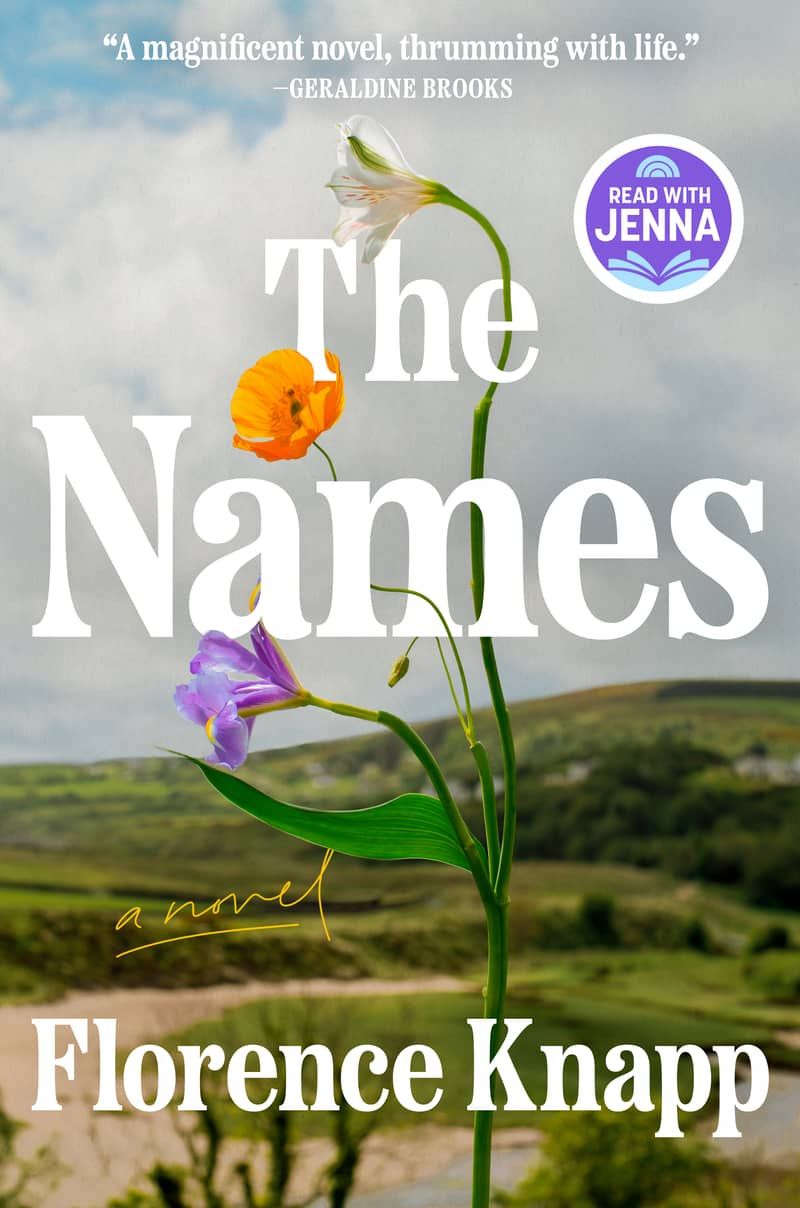
The Names
England, 1987. After a history-making storm, Cora walks her nine-year-old daughter Maia to the registrar to name a newborn son. Her husband Gordon — a respected local doctor and a terrifying presence at home — expects the boy to take his name, as the men in his family have. Cora has three names in her head: Bear, the one Maia invented; Julian, the one she chose; and Gordon, the one she has been told to write. The novel follows all three lives, seven years at a time, and asks what a single act of naming can set in motion — and what no name can protect you from.
“Or perhaps, and this is her real concern, she'll formalize who he will become.”
Complete free book club kit
BookClubee may earn a commission from Bookshop.org purchases, which supports independent bookshops.
Plan your meeting
Spoiler warning — best after finishing the book
The Names Discussion Questions
20 free questions written for The Names. No obvious right answers — built to spark real disagreement.
1. On the walk after the storm, Maia asks why she doesn't have Cora's name if the baby will have Gordon's. When did that conversation stop feeling like a cute sibling moment and start feeling like a warning?
Warm Up
2. Cora tells Maia that Maia means mother, and that Julian means sky father. Do those meanings actually matter in the novel — or is the real charge simply that Cora is choosing at all?
Warm Up
3. Gordon finds the baby-name book open and shuts it: "Just the girls' names, remember, Cora. We have Gordon for a boy." Is that the scene that explained the marriage to you, or had you already understood it from the storm-night nursery?
Warm Up
4. The registrar has never recorded a Bear in twenty-two years, then tells Maia to take good care of this little Bear. Did that blessing feel like permission, a joke, or a small public act of protection Cora almost never gets?
Warm Up
5. Gordon is a trusted local doctor; at home he is something else. Which version of him did you meet first on the page — and how long did the other version take to overwrite it?
Warm Up
6. When Cora registers Bear, Gordon's violence kills Vihaan, the neighbor who comes through the door. Was naming him Bear an act of love, a gamble with someone else's life, or both — and does Vihaan's death make the choice harder to defend?
Debate Starter
7. Cora offers Julian as a tribute that still means father, and Maia decorates the plate to sell it. Is that clever diplomacy, or a compromise that only delays the same rage?
Debate Starter
8. In the third version, Cora writes Gordon and goes home already unable to love the name. Do you read that as self-erasure, as the only rational choice given what Gordon can do to her and the children, or as the novel's most frightening kind of survival?
Debate Starter
9. Optimists may call the Bear timeline the one that works: Cora gardens, the children have Mehri, Gordon is gone. Pessimists may say it is built on a dead neighbor and a daughter who still startles at her own name. Which cost are you willing to call worth it?
Debate Starter
10. Young Gordon Jr. learns that pleasing his father means inventing stories about Cora. At fourteen he harms Lily and feels anger, not remorse. How much of that boy is his father's creation — and how much do you still hold him responsible for?
Debate Starter
11. Julian grows up in Ireland fearing he carries his father's violence, so he pulls back from Orla and from sending work to England. Is that caution a form of care, or a way of letting Gordon keep ruling a life he is no longer in?
Debate Starter
12. Maia writes to Sílbhe for help; when a police officer comes, Cora says her mother has dementia because Gordon is the officer's own doctor. Is Cora betraying Maia, protecting the children from a system that would not believe her, or showing how little room an abused woman is given to tell the truth?
Debate Starter
13. Bear dies of a wasp sting in the freest of the three lives, after Lily survives Paris and they have Pearl. Does that ending make the Bear timeline crueler than the others — or is the point that even a well-named life is not a protected one?
Debate Starter
14. Gordon Jr. later plants cameras in the smoke detectors and offers his father a choice: leave, or face the footage. Is that justice, a son finally using his father's tools against him, or another form of control — and does it matter that it works?
Debate Starter
15. No name in this novel is a clean escape: defiance can get someone killed, compromise can get Cora killed, obedience can imprison everyone for decades. What does that do to the advice people still give — just leave, just stay for the kids, just keep the peace?
Deep Dive
16. Bear, Julian, and Gordon Jr. share a body and a history they cannot remember the same way. After watching all three, what do you think actually travels between the versions — temperament, fear, a capacity for gentleness — and what is built only by the house they grow up in?
Deep Dive
17. Neighbors, patients, and even a police officer find Gordon easy to believe because he is the charming GP. How should communities and institutions handle that gap today, when the person causing harm is also the person other people trust?
Deep Dive
18. The book returns every seven years instead of walking us through the days in between. What do those jumps do to your judgment — do they make change look sudden, make stuckness look inevitable, or force you to notice what a family can hide in the gaps?
Deep Dive
19. In the epilogue, Gordon Sr. dies alone and briefly sees other lives he might have lived. Does that last glimpse complicate him in a useful way, or does it offer a man who spent the book harming people a tenderness he did not earn?
Deep Dive
20. Cora fears that registering a name will formalize who her son will become. By the last page, do you think the novel agrees with her — or does it argue that the freedom to choose the name was the real story, and the name itself was never destiny?
Deep Dive