
Literary Fiction · Free kit
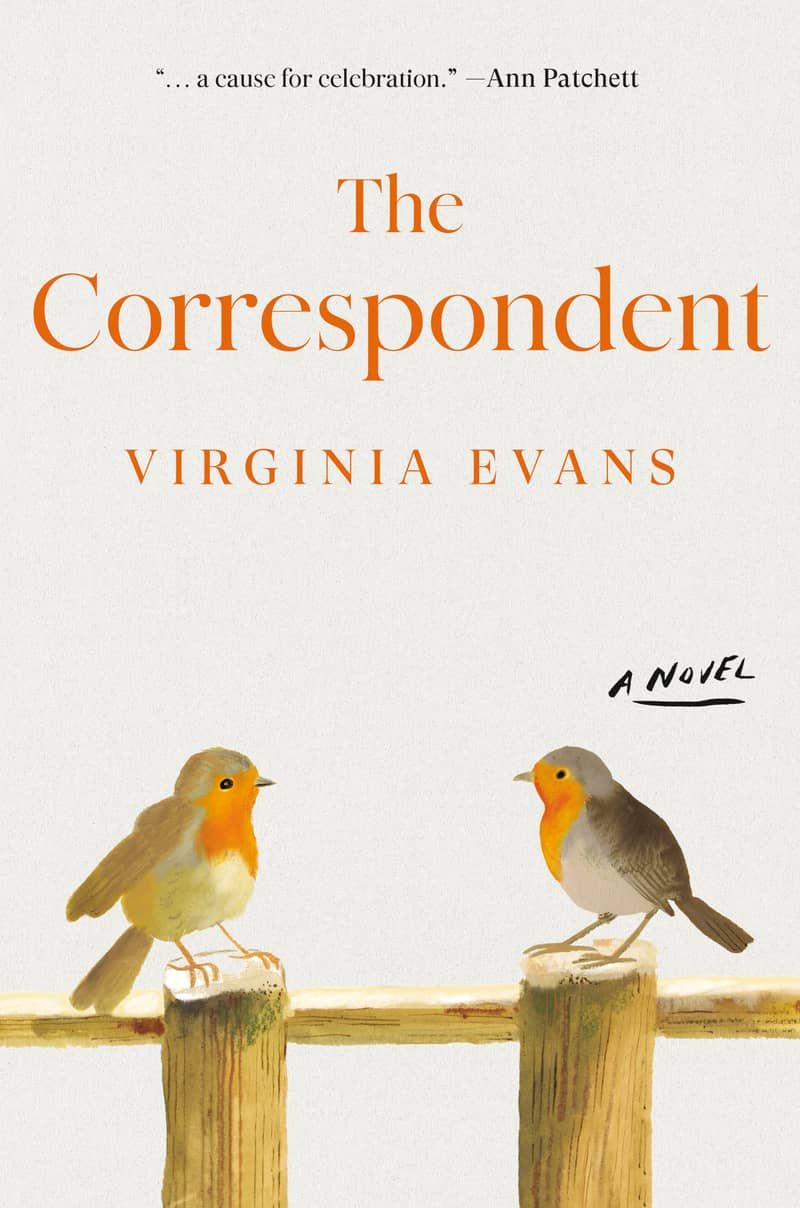
The Correspondent
An epistolary novel of a life told in letters. From 2012 to 2022, retired lawyer Sybil Van Antwerp writes from her Annapolis desk — to her brother Felix, her best friend Rosalie, her adult children Bruce and Fiona, authors she admires, and one person who never receives what she writes. As her eyesight fails and old grief over her son Gilbert resurfaces, correspondence becomes the only map she trusts of who she has been.
“Imagine, the letters one has sent out into the world, the letters received back in turn, are like the pieces of a magnificent puzzle. . . . Isn’t there something wonderful in that, to think that a story of one’s life is preserved in some way, that this very letter may one day mean something, even if it is a very small thing, to someone?”
Complete free book club kit
BookClubee may earn a commission from Bookshop.org purchases, which supports independent bookshops.
Plan your meeting
Spoiler warning — best after finishing the book
The Correspondent Discussion Questions
20 free questions written for The Correspondent. No obvious right answers — built to spark real disagreement.
1. Sybil sits down most mornings around half past ten to write. Is that discipline self-care, avoidance of the living people nearby, or something closer to a vocation?
Warm Up
2. When Sybil writes to living authors about their books, does that feel like generous literary friendship — or a way to keep intimacy safely on paper?
Warm Up
3. Sybil’s letters to Harry, the socially awkward teenager, become a real mentorship. Who is getting more out of that correspondence — and does that matter?
Warm Up
4. Sybil hides her declining eyesight from Bruce and Fiona for a long time. Is that protectiveness toward her children, or protectiveness toward the version of herself she wants them to keep?
Warm Up
5. Rosalie has been Sybil’s lifelong friend and sister-in-law — and sometimes a go-between with Fiona. When friendship and family loyalty pull in different directions, whose side is Rosalie actually on?
Warm Up
6. Sybil writes often to someone she never sends the letter to. Is unsent writing a rehearsal for honesty, a private shrine to grief, or a refusal to face the living recipient?
Debate Starter
7. Bruce gives Sybil a DNA kit; she initially finds it humiliating. Should adult children push parents toward uncovering origin stories — or leave that door closed unless the parent opens it?
Debate Starter
8. Learning she was adopted redraws Sybil’s map of family. Does discovering Hattie and biological relatives expand who she is, or threaten the adopted life she already built with Felix?
Debate Starter
9. Sybil carries decades of guilt over Gilbert’s death at eight. Does the novel suggest that some grief must stay unfinished — or that forgiveness (of self or others) is still possible late in life?
Debate Starter
10. Sybil can be sharp, stubborn, even cruel on the page. Do you like her less when she’s difficult — or do those edges make her more trustworthy as a narrator of her own life?
Debate Starter
11. Letters to Felix across distance keep a sibling bond alive that visits might complicate. Is epistolary closeness “real” intimacy, or a carefully edited substitute?
Debate Starter
12. Sybil’s estrangement and reconciliation arcs with Fiona are mediated partly through other people’s letters. Does that make the mother–daughter repair more honest — or more delayed and triangulated?
Debate Starter
13. When someone from Sybil’s past forces her to revisit a painful period, is accountability the point — or is the novel more interested in whether she can finally offer forgiveness?
Debate Starter
14. In a world of texts and email, Sybil insists words on paper endure. Is she right that we lose something essential when communication becomes disposable — or is she romanticizing a luxury of time and literacy?
Debate Starter
15. An entire life assembled from letters means we only see what Sybil chooses to write and keep. What do you distrust most about that archive — the gaps, the tone, or the recipients she never includes?
Deep Dive
16. Sybil practiced law for decades but says letters amount to who she is. What does the novel argue about the difference between a career that defines you publicly and a private practice that defines you privately?
Deep Dive
17. Blindness approaches as both medical fact and metaphor. How does losing the ability to write change Sybil’s relationship to control, dignity, and dependence?
Deep Dive
18. The book spans 2012–2022 without turning into a newsreel of those years. What does grounding history in personal correspondence suggest about which events actually shape a life?
Deep Dive
19. If a life is “preserved” in dispersed letters like puzzle pieces that will never be fully reassembled, is that comfort — or a tragedy of incompleteness the novel asks us to accept?
Deep Dive
20. By the end, is Sybil primarily a woman who finally faces what she avoided — or a woman who was always facing it, just in the only form she knew how: on paper?
Deep Dive