
Historical Fiction · Free kit
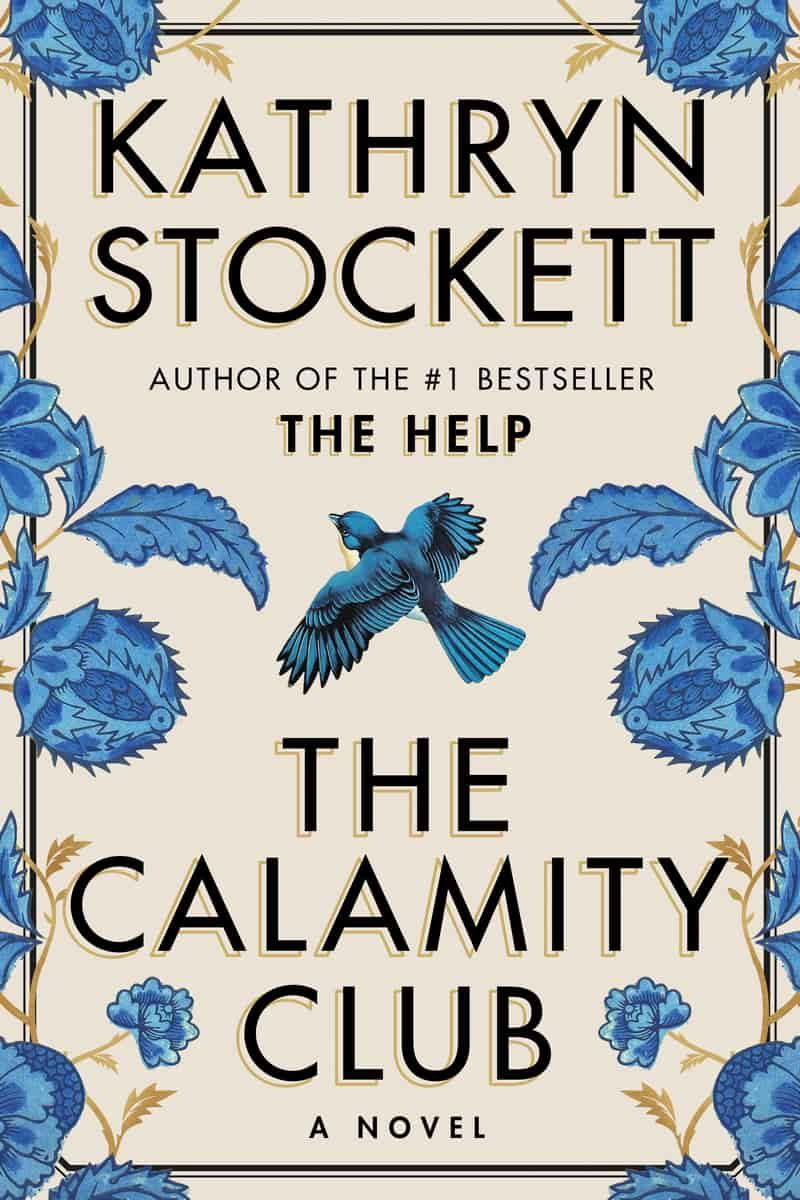
The Calamity Club
Oxford, Mississippi, 1933. Eleven-year-old Meg Lefleur scrapes by at the county orphan asylum under a cruel chairlady’s thumb. Unmarried bookkeeper Birdie Calhoun arrives seeking help from her socialite sister — and finds a town of secrets, hypocrisy, and women with almost no good options. When their fates converge with Charlie, Meg’s fierce mother, an audacious plan is born: reclaim what’s theirs, even if calamity is the only way forward.
“If you give a girl a taste of fresh air and then take it away, she will grow fierce and wild to get that fresh air back again.”
Complete free book club kit
BookClubee may earn a commission from Bookshop.org purchases, which supports independent bookshops.
Plan your meeting
Spoiler warning — best after finishing the book
The Calamity Club Discussion Questions
20 free questions written for The Calamity Club. No obvious right answers — built to spark real disagreement.
1. Meg secretly changes the orphanage cards so more families will come on View Day. Was this clever self-advocacy, or was she manipulating desperate people?
Warm Up
2. When Birdie first meets Meg in the moldy office and starts improving the room despite Garnett’s warnings, was she helping Meg — or putting herself too deeply into a situation that wasn’t hers to control?
Warm Up
3. Birdie discovers that the older girls’ labor essentially benefits the institution while they receive nothing themselves. What is more shocking: the exploitation itself, or how ordinary everyone has made it seem?
Warm Up
4. When Birdie sees how Meg is treated, she gradually moves from bookkeeping to actively intervening. At what point does “helping” become a responsibility you can no longer walk away from?
Warm Up
5. Birdie initially has strong ideas about what is respectable, then agrees to participate in Charlie’s illegal business. Was that character growth — or simply desperation changing her definition of right and wrong?
Warm Up
6. Birdie deliberately keeps the truth about Garnett’s plans for Meg from Charlie because she fears Charlie will react recklessly. Was Birdie protecting Charlie, protecting Meg, or controlling the situation herself?
Debate Starter
7. Charlie proposes turning the Tartt home into a “dance club” that is actually a brothel. Is the plan empowering because the women control the business, or exploitative because it still depends on selling access to women’s bodies?
Debate Starter
8. The first night of the club is almost completely empty. Does that failure make the entire plan seem more ridiculous — or make the women’s willingness to attempt it more admirable?
Debate Starter
9. Mrs. Tartt discovers what the women are actually doing in her home and ultimately allows the club to continue because the money can save her household. Is that practical courage or moral compromise?
Debate Starter
10. Rory secretly gambles away the family’s financial security and disappears with valuables. Does the novel make it too easy to blame Rory personally, or does it give enough context to understand how he reached that point?
Debate Starter
11. Frances chooses to use some of the club’s earnings to help Rory after everything he has done. Is her decision an act of love, misplaced loyalty, or proof that she still hasn’t escaped the role society assigned her?
Debate Starter
12. Garnett presents herself as a defender of morality while participating in a system that mistreats vulnerable girls. Is Garnett simply hypocritical, or does she genuinely believe that controlling these women is morally righteous?
Debate Starter
13. When Garnett tells Meg that her mother abandoned her, Meg has to decide what version of her mother’s story to believe. How much of our identity is built around the stories other people tell us about ourselves?
Debate Starter
14. The women create a business that is illegal because the legal and social systems give them very few legitimate ways to survive. At what point, if any, does necessity justify breaking the law?
Debate Starter
15. The novel places eugenic ideas alongside poverty, sexuality, disability, and motherhood. Which is more dangerous: an individual openly expressing prejudice, or an institution turning prejudice into official policy?
Deep Dive
16. Birdie repeatedly solves problems by taking action rather than waiting for permission. Would her approach work in today’s world, or do modern institutions still punish people who try to bypass the rules?
Deep Dive
17. The treatment of women considered “unfit” to have children echoes modern arguments about reproductive rights and who should be allowed to make decisions about their own bodies. Where do you see the strongest warning for society today?
Deep Dive
18. The women are judged harshly for running an illegal club while the men who create demand for it largely escape the same scrutiny. Does the double standard feel familiar in today’s conversations about sex work, sexuality, or public morality?
Deep Dive
19. Meg’s treatment by the orphanage raises a modern question: when a child is failed by an institution, who should be responsible for intervening — the individual who discovers the abuse, the family, or the system itself?
Deep Dive
20. By the end, the women have created their own network of support outside the systems that were supposed to protect them. Is the novel ultimately optimistic about people changing unjust systems — or pessimistic enough to suggest that people sometimes have to escape those systems instead?
Deep Dive